Top 10 Pocket Filter Media Options for Superior Air Quality?
In today's world, maintaining superior air quality is essential. One of the key players in this effort is pocket filter media. These filters trap pollutants and enhance indoor air environments. By using advanced technology, pocket filter media effectively remove dust, allergens, and other harmful particles.
Choosing the right pocket filter media can be challenging. Many options exist, each with unique benefits. Factors such as material, efficiency, and lifespan play a crucial role. Some may require frequent replacements, leading to higher costs. Others may not capture all particle sizes, creating potential gaps in air quality.
The right pocket filter media not only enhances air quality but also impacts health. Breathing clean air is vital for well-being. It's important to reflect on the choices we make in air filtration. By exploring the top ten options available, we can better understand what works for our specific needs. This journey may reveal surprises in terms of effectiveness and longevity.
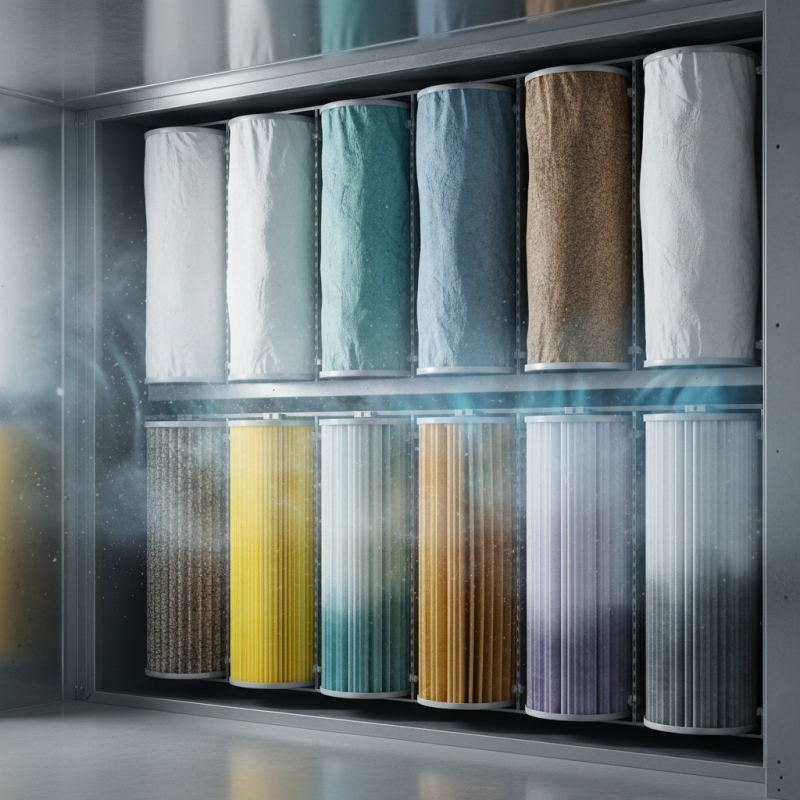
Understanding Pocket Filter Media: Definition and Functionality
Pocket filter media plays a crucial role in maintaining air quality. These filters are designed to trap dust, pollen, and other particulates. Their compact design makes them ideal for various applications, from HVAC systems to air purifiers. The efficiency of these media directly impacts indoor air quality.
Understanding functionality is key. Pocket filters usually consist of synthetic fibers or fiberglass. The material choice affects filtration efficiency. Some filters capture smaller particles, while others focus on larger ones. This distinction is vital when selecting appropriate filters for specific environments. Installation methods vary, which can influence performance as well. Even the best filters may not work effectively if improperly installed.
The lifespan of pocket filter media often raises questions. Factors such as air flow and environmental conditions determine how long they last. Regular monitoring is essential to ensure filters do not become clogged. Neglecting maintenance can lead to a decline in air quality. In some cases, it may seem like a hassle, but the benefits of clean air are undeniable.
Top 10 Pocket Filter Media Options for Superior Air Quality
| Filter Media Type | Efficiency (%) | MERV Rating | Temperature Resistance (°F) | Application Type |
| Synthetic Fiber | 95 | MERV 13 | 180 | Commercial HVAC |
| Fiberglass | 70 | MERV 8 | 100 | Residential HVAC |
| Electrostatic | 85 | MERV 11 | 160 | Industrial |
| HEPA | 99.97 | MERV 17 | 120 | Healthcare |
| Carbon-Infused | 90 | MERV 13 | 150 | Odor Control |
| Polyester | 80 | MERV 10 | 200 | Commercial Applications |
| Washable | 75 | MERV 8 | 180 | Energy Efficient |
| Nano Fiber | 98 | MERV 15 | 250 | Advanced Filtration |
| Pet-Friendly | 92 | MERV 12 | 120 | Home Use |
| Glass Fiber | 88 | MERV 11 | 150 | Industrial |
Types of Pocket Filter Media: Materials and Variants Explained
When it comes to pocket filter media, material choice is crucial for optimal air quality. Various options cater to different needs, often defined by their material composition. Synthetic materials, such as polyester, are popular for their durability and high filtration efficiency. They resist moisture and can trap particulate matter effectively. Natural materials, like cotton, provide excellent air permeability, but may lack longevity in demanding environments.
Pleated filters often utilize a mix of these materials, enhancing their filtration capacity. Variants exist, including electrostatic filters that attract particles through static electricity. This type can capture ultrafine particles but may require more frequent replacements. Consider also the density of the filtration material. A denser filter can trap more contaminants but may restrict airflow. This balance is essential for maintaining an efficient system.
Not all pocket filters are created equal. Misjudging the environment can lead to poor choices. For instance, using a low-density filter in a dusty area can diminish effectiveness. The effects of poor filtration can be more than just inefficiency. They can lead to increased energy costs and compromised indoor air quality. Always reflect on the specific requirements of your space before making a decision.
Comparative Analysis: Efficiency Ratings of Top Filter Media Choices
When it comes to air filtration, pocket filter media play a crucial role. Various options exist, each with different efficiency ratings. A recent industry report reveals the HEPA filters often demonstrate over 99.97% efficiency. However, they also pose challenges. Their initial cost and pressure drop can be substantial. It’s essential to weigh these factors.
Electrostatic filters also showed promise. A study indicated they could achieve an efficiency of 95% or higher. Yet, their performance may degrade over time. Regular maintenance becomes critical. The implications are clear: while some media options excel, they require due diligence in care and installation.
Another promising candidate is the MERV-rated filter media. Filters rated MERV 13 can trap smaller particles effectively. Data shows they can reduce airborne pollutants significantly. However, they can offer less efficiency in high-humidity environments. This highlights a gap that needs more research and consideration. Selecting the right filter involves understanding these nuanced trade-offs.
Factors Influencing Air Quality: The Role of Pocket Filters
Air quality is influenced by various factors, with pocket filters playing a critical role. These filters trap particulate matter, allergens, and pollutants. High-efficiency options can significantly improve indoor air quality.
When selecting pocket filters, consider efficiency ratings and material types. For instance, filters made from synthetic media often provide excellent filtration. However, some might struggle with air flow. This can lead to increased energy usage.
Regular maintenance also matters. Dirty filters reduce effectiveness and may worsen air quality. It's essential to check and replace them frequently. A neglected filter can be a hidden source of pollutants. Moreover, user environment factors like humidity and dust levels affect filter performance. Each setting may require a different filter type for optimal results.
Installation and Maintenance Tips for Optimal Filter Performance
Installing pocket filters effectively is crucial for maximizing air quality. Begin by ensuring you have the right tools. A proper fit is essential for optimal performance. Mismatched sizes can lead to leaks. Dust and pollutants might slip through gaps. Always check dimensions carefully before installation.
Routine maintenance is just as important. Regularly inspect filters for dirt buildup. A clogged filter can hinder airflow, which may strain your HVAC system. Consider a schedule for changing filters. A good rule is every three months, but this can vary. High dust environments may require more frequent changes. Don’t forget to clean the surrounding area. Dust can accumulate on the housing and affect efficiency.
Reflect on these processes and adapt as necessary. Each space is unique. What works in one setting might not be effective in another. Be prepared to reassess your approach. Sometimes, it takes trial and error. The goal is a healthier indoor environment. Listen to your system; it often gives clues about filter performance.

