Top 10 Benefits of Using a Bench Top Milling Machine?
The Bench Top Milling Machine has revolutionized the manufacturing landscape. According to a report by Market Research Future, the global CNC milling machine market is expected to grow at a CAGR of 5.2% from 2022 to 2028. This statistic highlights the increasing importance of compact machinery in various industries.
Using a Bench Top Milling Machine offers numerous benefits. It enhances precision, allows for versatile machining, and saves space in workshops. Many small businesses are adopting these machines to improve productivity. However, not all users maximize their potential. It's essential to understand best practices for maintenance and operation. Otherwise, one may face reduced performance or safety concerns.
Moreover, the initial investment can be daunting. Balancing costs and benefits is crucial for smaller enterprises. Users often grapple with selecting the right model for their specific needs. Some Machines may have features that go unused, leading to regret in purchases. Each aspect of the Bench Top Milling Machine carries significance, and thoughtful consideration can drive better outcomes.
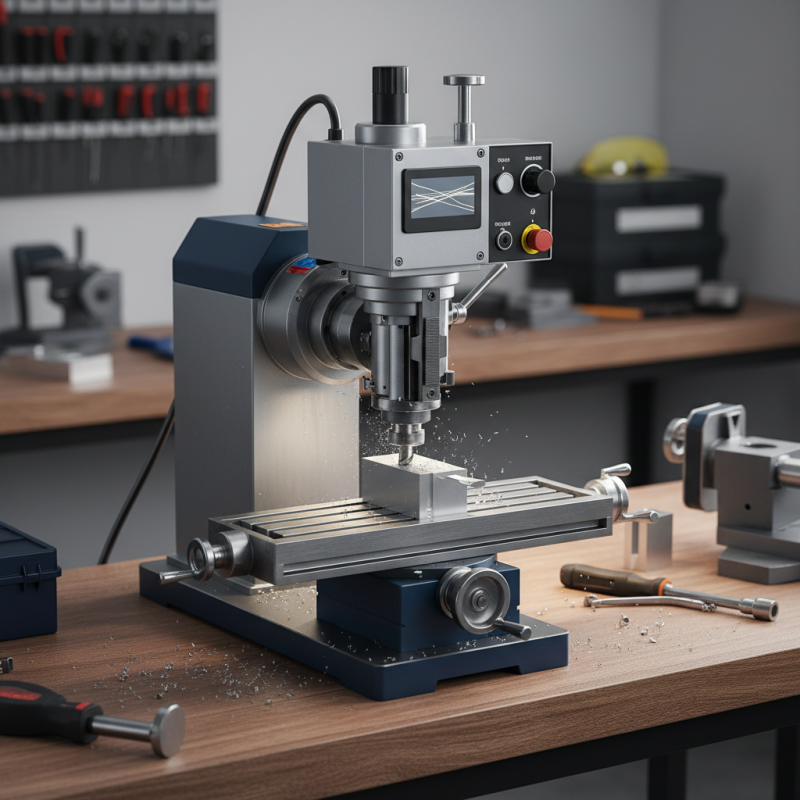
Advantages of Precision in Bench Top Milling Machines
Precision is a critical advantage of bench top milling machines. They allow for highly accurate cuts and intricate designs. According to a report by the National Institute of Standards and Technology, precision machining can reduce material waste by up to 30%. This is beneficial for both cost-efficiency and environmental sustainability.
These machines are designed for small-scale projects but deliver professional-grade results. Users often report improved consistency in their work, which is essential for projects requiring exact measurements. However, users should be aware that fine-tuning the machine might take time. Small adjustments can lead to significant differences in the finished product.
Tips: Invest time in understanding your bench top milling machine's features. Practice calibrating it regularly to ensure optimal performance. Start with easier projects to build confidence before tackling more complex designs. Adjustments may not always go as planned, but learning from those experiences can enhance your skills. Always keep safety in mind while operating machinery.
Enhanced Flexibility for Various Projects
The flexibility offered by bench top milling machines is a game changer for smaller workshops and hobbyists. These machines allow users to tackle a wide range of projects, from intricate prototypes to simple repairs. According to a recent industry report, nearly 70% of small workshop owners noted improved project versatility after adopting this equipment. This makes them an essential tool for both professionals and DIY enthusiasts.
With a bench top milling machine, one can easily switch between materials like wood, aluminum, and plastics. This adaptability is crucial for projects that require different characteristics. For instance, using quality cutters can significantly impact the finish and precision. Some users, however, find it challenging to switch from one material to another, often leading to subpar results. It’s a learning curve that many need to navigate when pursuing complex designs.
Another aspect to consider is the space efficiency these machines provide. Many users report significant savings in workspace without compromising capability. However, one must be mindful of the limitations—bench top machines may not handle large-scale jobs effectively. Balancing project scale and machine capacity is vital for achieving desired outcomes.
Space and Cost-Efficiency Compared to Larger Machines
When it comes to machining, a bench top milling machine stands out for its space and cost-efficiency. Unlike larger machines, these compact tools can fit into smaller workshops and garages. They occupy less floor space, which allows for better organization and movement within the workspace. This makes them ideal for hobbyists or small business owners who can't afford a full-sized machine or don't have room for one.
Cost is another significant advantage. Bench top milling machines are often much more affordable than their larger counterparts. The savings in both initial investment and operational costs can be substantial. However, it’s worth noting that reduced size may also mean limitations in capabilities. For instance, while they can handle many tasks, they may struggle with larger or more complex materials. This limitation can require users to rethink some projects, choosing smaller workpieces or simpler designs to fit the machine's strengths.
These machines do offer unique opportunities for creativity and innovation. Users can experiment with various techniques without a huge financial burden. For some, this could lead to new ideas or a different approach to projects. But the need for adaptability is clear. Users must be ready to adjust their expectations based on the capabilities and restrictions of their bench top milling machine. Making the most of these tools requires a balance between expectations and practical limitations.
Top 10 Benefits of Using a Bench Top Milling Machine
User-Friendly Features and Accessibility for Beginners
A bench top milling machine is a fantastic tool for beginners. Its compact size makes it easy to fit in small workshops. User-friendly controls simplify the milling process. Many machines offer intuitive interfaces, allowing new users to learn quickly. Bright LED displays are common, which help in easy visibility.
Setting up a milling machine can be daunting. However, many brands focus on accessibility features. Some machines come with pre-installed safeties, minimizing risks for novices. When starting, it’s essential to read the manual thoroughly. Mistakes may happen as you learn, but that’s part of the journey.
Furthermore, many milling machines have built-in tutorials or guides. These resources provide essential tips and techniques. Learning by doing is invaluable. While mistakes can lead to wasted materials, they also lead to greater understanding. Embracing these moments is critical for growth in milling skills.
Top 10 Benefits of Using a Bench Top Milling Machine
| Benefit | Description | User Level |
| Compact Size | Ideal for small workspaces, taking up minimal room. | Beginner |
| Affordability | Cost-effective option for hobbyists and small businesses. | Beginner |
| Ease of Use | User-friendly controls that cater to beginners. | Beginner |
| Versatility | Able to handle various materials and projects. | Intermediate |
| Portability | Easy to transport to different locations for projects. | Beginner |
| Precision | Offers high precision for detailed work. | Advanced |
| Reduced Noise | Operates quieter than larger machines. | All Levels |
| Safety Features | Incorporates features that enhance user safety. | All Levels |
| Community Support | Access to a wide range of online resources and forums. | All Levels |
| Skill Development | Encourages learning and skill improvement. | Beginner to Advanced |
Improved Material Handling and Workpiece Stability
A bench top milling machine provides essential benefits, especially in terms of improved material handling and workpiece stability. The compact size makes it ideal for smaller workshops. Operators can easily position materials without straining their backs.
This setup enhances control during operations. When handling heavy materials, a sturdy machine minimizes vibrations. It keeps workpieces securely in place, preventing errors.
A well-placed workpiece leads to precise cutting and milling. Stability reduces the risk of accidents. However, achieving this stability requires proper calibration and setup. Some may overlook the importance of fine-tuning. A machine that’s slightly off can yield imperfect results. Regular checks are necessary to maintain performance.
Enhanced material handling also depends on the workspace organization. Clutter can lead to mistakes and delays. Workers should ensure tools and materials are within reach. Streamlining this process can significantly improve efficiency. It is crucial to reflect on workflow and make adjustments as needed. Small changes can have big impacts on overall productivity.

