Ultimate Tips for Choosing Cold Rolled Coil for Your Projects?
Choosing the right Cold Rolled Coil for your projects can be challenging. With various options available, the decision process may feel overwhelming. Many factors come into play, including thickness, finish, and application. Understanding these details is crucial for a successful outcome.
Cold Rolled Coil is known for its superior surface quality. This makes it ideal for applications requiring a smooth finish. However, not all coils are created equal. Some may lack durability or precision. Evaluating these characteristics can save you from costly mistakes.
Consider how the Cold Rolled Coil will be used in your project. Are you focusing on strength, flexibility, or appearance? Reflect on your choices carefully. Sometimes what seems perfect at first glance may not hold up under pressure. Take the time to investigate and compare your options. Your project deserves the best possible materials.
Understanding Cold Rolled Coil: Definition and Properties
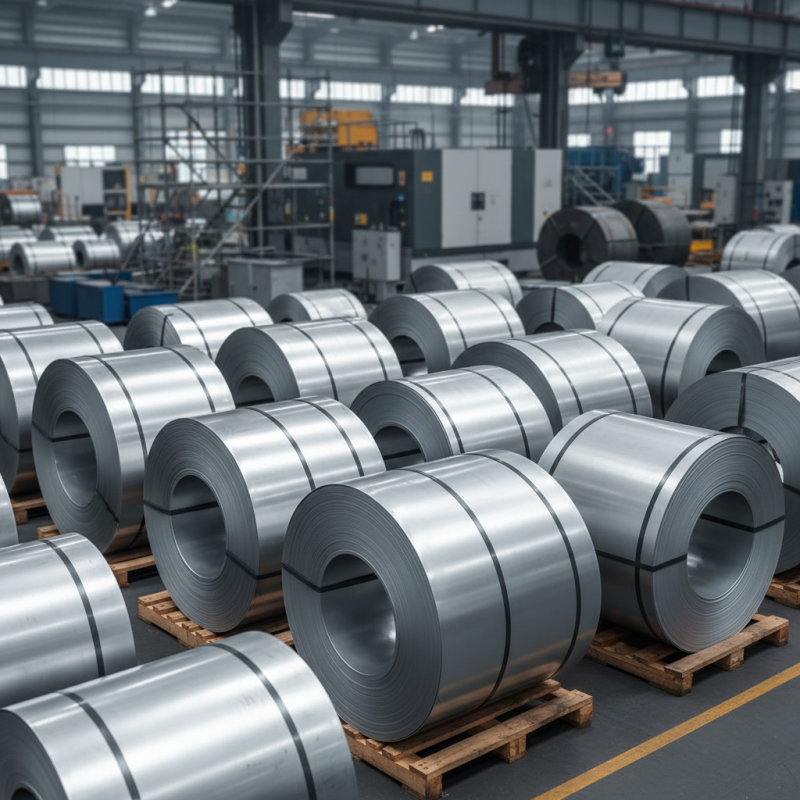
Cold rolled coil is vital for various industrial applications. It refers to steel that has been processed at room temperature. This process enhances certain properties, making it suitable for different projects. The result is a finished product with a smooth surface and precise dimensions. This makes it ideal for manufacturers looking for consistency.
One important property is increased strength. Cold rolling can significantly improve tensile strength, allowing for use in structural components. However, this strength comes with considerations. The material can become more brittle under certain conditions. It's essential to understand the specific needs of your project. This will inform whether cold rolled coil is the right choice.
Another aspect to note is the reduced thickness available for cold rolled coils. While this can be beneficial for weight-sensitive projects, it might not always meet durability standards. Careful assessment is necessary. When selecting materials, consider both the benefits and potential drawbacks. Not all applications are best served by cold rolled options. Evaluating these factors will help in making an informed decision for your needs.
Key Factors to Consider When Choosing Cold Rolled Coil
When choosing cold rolled coil for your projects, several key factors come into play. First, consider the thickness of the coil. It affects strength and is crucial for your applications. Standard thicknesses range from 0.1 mm to several millimeters. Ensure your project requirements are clear before making a decision.
Another important aspect is the surface finish. Cold rolled coils can have a smooth or rough surface. A smooth finish is ideal for making refined products. Meanwhile, a rough finish may be better for applications needing better adhesion. Think about how the finish impacts your end use.
Finally, pay attention to the mechanical properties. Yield strength, tensile strength, and elongation are crucial metrics. They dictate how well the coil will perform under stress. High-quality coils often exhibit excellent mechanical properties. Evaluate these before finalizing your choice. Reflect on your specific needs and the project environment, as they profoundly influence your selection process.
Applications and Industries Utilizing Cold Rolled Coil
Cold rolled coils are widely used in various industries. These coils provide a smooth surface and precise dimensions, making them ideal for many applications. The automotive industry heavily relies on cold rolled coils for the production of vehicle body parts. According to recent industry reports, around 30% of cold rolled steel is utilized in automotive manufacturing.
In the construction sector, cold rolled coils find their place in structural components. They are often used for metal framing and roofing materials. This sector is growing rapidly, with estimates showing an increase of 5% in demand for cold rolled products annually. However, the choice of thickness and surface finish can be tricky. It’s essential to consider the specific requirements of each project.
The appliance industry also benefits from cold rolled coils. These materials are essential for making durable and efficient appliances. Yet, many manufacturers overlook critical factors such as the coil's yield strength and formability. This oversight can lead to product failures. Detailed analysis and testing are crucial before making a selection. Choosing the right cold rolled coil requires careful consideration of these varied applications and their unique demands.
Ultimate Tips for Choosing Cold Rolled Coil for Your Projects
| Application | Industry | Thickness Range (mm) | Surface Finish | Key Considerations |
| Automotive Parts | Automotive | 0.3 - 3.0 | Galvanized, Oiled | Strength, Ductility |
| Construction Frames | Construction | 1.0 - 4.5 | Cold Rolled, Painted | Corrosion Resistance |
| Home Appliances | Manufacturing | 0.5 - 2.5 | Smooth, Dry | Finish Quality |
| Electrical Enclosures | Electronics | 0.4 - 1.5 | Powder Coated | Electrical Insulation |
| Furniture Components | Furniture | 0.8 - 3.5 | Matte, Brushed | Aesthetic Appeal |
Comparison of Cold Rolled Coil with Other Steel Products
When choosing cold rolled coil, it's essential to understand how it compares to other steel products. Cold rolled steel is known for its smooth finish and precise dimensions. Unlike hot rolled steel, cold rolled coil undergoes a secondary processing step. This results in a finer surface and enhanced mechanical properties. However, it is more susceptible to corrosion. So, consider the project's environment before deciding.
Hot rolled steel, on the other hand, is often cheaper and easier to shape. It's suitable for structural applications where appearance is less critical. However, it may require additional finishing steps. Galvanized steel offers corrosion resistance but lacks the same aesthetic appeal as cold rolled options. These factors can significantly influence the suitability of each steel type for your project. It's essential to weigh performance against desired properties.
Consider the specific requirements of your project. Are aesthetics a priority? Or is strength your main concern? Each steel type has its pros and cons, making careful evaluation necessary. Sometimes, what seems like the best choice initially might not hold up under real-world conditions. Reflecting on these aspects can guide you toward the most fitting material.
Best Practices for Sourcing and Quality Assessment of Cold Rolled Coil
When sourcing cold rolled coil, quality assessment is crucial. Start by checking the chemical composition. It determines the coil's strength and durability. Reports show that nearly 30% of coils fail due to poor composition. Use certified suppliers to minimize risks and ensure compliance with industry standards.
Tips for sourcing include examining production methods. Cold rolling processes can affect the final product's properties. Ensure that the manufacturer adheres to proper techniques. This helps in avoiding issues later in the project. Look for certifications related to quality control. They provide insights into the manufacturer’s reliability.
Don’t overlook surface quality. Any imperfections can lead to greater problems during use. About 20% of defects arise from undetected surface issues. Use visual inspections and non-destructive testing methods. It’s an effective way to identify hidden flaws before your project progresses. Remember, even minor defects can lead to major setbacks.
Cold Rolled Coil Quality Assessment