What is Muscovite Mica and How is it Used?
muscovite mica is a widely used mineral with diverse applications across various industries. It is a type of sheet silicate, prized for its unique properties. According to a recent market report by Freedonia Group, the global mica market is projected to reach $1.3 billion by 2024. Muscovite mica accounts for a significant portion of this growth.
In the cosmetics industry, muscovite mica is favored for its shimmering quality. It enhances the appearance of makeup products, providing a smooth finish. The mineral's reflective properties make it popular in skincare as well. However, its sourcing raises sustainability concerns, as mining practices can impact local ecosystems.
Additionally, muscovite mica is utilized in electronics and construction. Its insulating characteristics make it critical for components in electrical devices. In construction, it serves as a reinforcing agent for materials. Yet, the industry faces challenges regarding supply chain transparency. Muscovite mica remains a vital resource, requiring responsible management to ensure long-term sustainability.
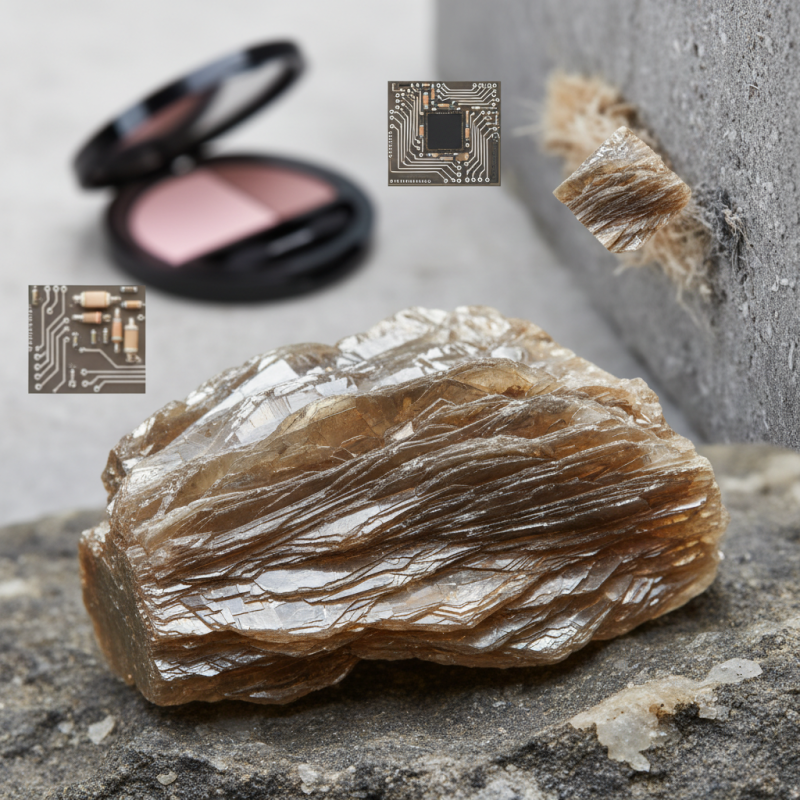
What is Muscovite Mica? A Mineral Overview
Muscovite mica is a fascinating mineral. It belongs to the mica group of silicate minerals. This mineral is known for its excellent insulating properties. Muscovite comes in thin, transparent sheets that can easily be split apart. Its shimmering appearance makes it visually striking.
Muscovite has many practical applications. In construction, it is used in plaster and as a filler in various building materials. Artists appreciate it for its use in paints and cosmetics, thanks to its lustrous finish. It also finds a role in electronics, where it acts as an electrical insulator. The versatility of muscovite makes it valuable in different industries.
However, working with muscovite mica does require caution. The dust generated during its processing can be a health hazard. Proper protective measures are crucial. Therefore, it's essential to balance its uses with necessary safety protocols. Engaging with muscovite mica invites questions about sustainability. How can we ensure responsible mining practices? These reflections push us toward better solutions for the future.
What is Muscovite Mica and How is it Used?
| Property | Description |
| Mineral Type | Phyllosilicate mineral |
| Chemical Formula | KAl2(AlSi3O10)(OH)2 |
| Color | Typically colorless, but can appear in shades of brown, green, or gray |
| Hardness | 2.5 to 3 on Mohs scale |
| Uses | - Electrical insulation
- Cosmetics (as a filler and pigment)
- Paints and coatings
- Plastics and rubber products
- Ceramics
|
| Origin | Primarily formed in igneous and metamorphic rocks |
| Availability | Widely available, common in many parts of the world |
Physical and Chemical Properties of Muscovite Mica
Muscovite mica is a mineral renowned for its unique physical and chemical properties. With a layered structure, it exhibits excellent flexibility and dielectric strength. The mineral is commonly found in igneous and metamorphic rocks and can be transparent to opaque. Its shiny luster and perfect cleavage make it a popular choice in various applications, from electronics to cosmetics.
In terms of chemical properties, muscovite is primarily composed of potassium, aluminum, silicon, and oxygen. It typically contains 3 to 5 percent of iron oxide, which can affect its color and optical characteristics. The thermal stability is impressive; it can withstand temperatures up to 500 degrees Celsius without significant decomposition. Moreover, studies reveal that muscovite possesses a low thermal conductivity. This property is beneficial for insulation applications.
Despite its advantages, there are discussions regarding the potential environmental impact of mica mining. Some reports indicate that mining practices can lead to habitat destruction and pollution. Reflecting on these concerns, the industry must prioritize sustainable extraction methods. As the demand for muscovite increases in sectors like electronics and cosmetics, addressing these environmental issues becomes crucial for future growth.
Key Mining Regions and Production Statistics of Muscovite Mica
Muscovite mica is a significant mineral used in various industries. Its key mining regions include Brazil, India, and the United States. Brazil is one of the largest producers, accounting for nearly 40% of the world's supply. In India, significant deposits are found in theJharkhand and Rajasthan states. These regions contribute to a large part of the global mica market.
The production statistics are striking. In 2020, the global mica production was around 130,000 tons. Data from industry reports indicates a steady increase in demand driven by the electronics and cosmetics sectors. However, challenges arise from environmental concerns. Mining activities often lead to habitat destruction and community displacement. Despite advancements, the sector struggles with transparency and ethical sourcing.
In recent years, the focus has shifted to sustainable practices. Several organizations advocate for responsible mining. However, many practices remain inconsistent. The need for improved regulations is evident. Real change requires collaboration among miners, consumers, and regulatory bodies. Only then can the mica industry evolve sustainably.
Muscovite Mica Production by Key Regions (2022)
Applications of Muscovite Mica in Industry and Manufacturing
Muscovite mica is a natural mineral that has various applications in industry. It is known for its excellent insulating properties. This makes it valuable in electronics and electrical appliances. Due to its heat-resistant nature, muscovite is often incorporated into heat shields and thermal insulation materials. Its flexibility allows it to be used in many composite materials.
In the manufacturing sector, muscovite mica is utilized in paint and coatings. It enhances the brightness and durability of paint. Additionally, it is used in cosmetics for its shimmering properties. This gives makeup a sparkling finish. Some industries use muscovite in plastics to improve strength and durability. However, sourcing muscovite mica can be challenging. Environmental concerns often arise during extraction. This raises questions about sustainable practices in the mining sector.
Ultimately, while muscovite mica offers many benefits, the industry must carefully consider its environmental impact. Striking a balance between production and sustainability remains an ongoing challenge. Ensuring responsible use of muscovite mica is essential for future applications.
Environmental Considerations and Sustainability in Mica Mining
Muscovite mica is a mineral that plays a significant role in various industries, from construction to cosmetics. However, the environmental impact of mica mining is growing concerns. The extraction of mica often involves unsustainable practices, leading to deforestation and habitat destruction. Reports show that illegal mining can cause soil erosion and pollution, severely affecting local ecosystems.
In many regions, mica mining relies heavily on manual labor. This raises ethical issues, as workers often face unsafe conditions. The mica supply chain poses challenges. For instance, around 25% of mica comes from unregulated mines, where child labor can be a problem. This situation calls for a shift toward more responsible sourcing.
Tips: Choose products that utilize sustainably sourced mica. Look for certifications indicating ethical mining practices. Support companies prioritizing transparency in their supply chains. Consumers have power to drive change. Every purchase matters.

