How to Maintain Rotating Machines for Improved Efficiency?
Maintaining Rotating Machines is vital for any operation aiming for high efficiency. These machines power various industries, from manufacturing to energy. Yet, many facilities overlook routine maintenance, leading to costly downtimes and inefficiencies.
Effective maintenance begins with understanding potential issues. Vibration analysis can reveal hidden problems before they escalate. Regular lubrication of moving parts prevents wear and tear. Additionally, monitoring operating temperatures helps identify overheating risks. Ignoring these details can lead to unexpected failures, which disrupt operations.
Employees must also be trained to notice signs of wear. Simple observations can help catch issues early. Relying solely on automated systems may not always be sufficient. A culture focused on maintenance awareness is crucial for improving the lifespan of Rotating Machines. After all, a proactive approach is better than reactive troubleshooting.
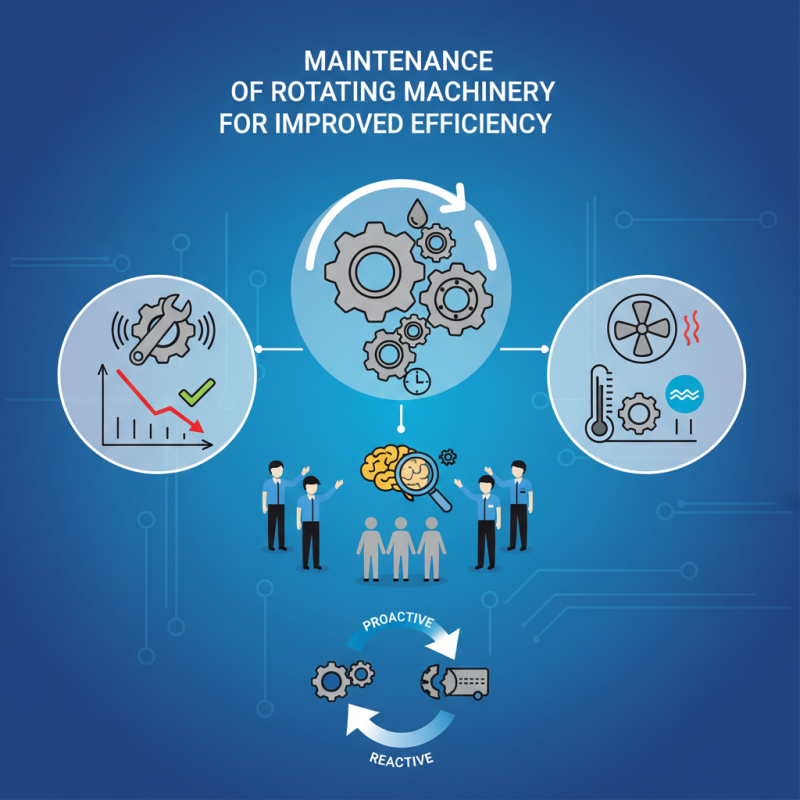
Understanding the Importance of Maintenance for Rotating Machines
Maintenance is crucial for the longevity of rotating machines. These machines perform tasks under significant stress. Regular upkeep ensures they run smoothly and efficiently. Neglecting maintenance can lead to unexpected breakdowns. This not only causes downtime but also increases operational costs.
Workers often overlook small issues, thinking they are minor. A slight vibration can signal an impending failure. One loose bolt can lead to bigger problems. Regular inspections can prevent these situations. Technicians should be trained to recognize early warning signs. They can detect wear and tear before it becomes critical.
Proper lubrication is vital for reducing friction. A well-lubricated machine runs with less heat and noise. Be mindful of dirt and contaminants that can damage components. It’s easy to forget the filters and seals. Maintaining a clean environment around machines is equally important. Ignoring such details can result in costly replacements. Regular maintenance is not just a checklist; it’s an essential practice for operational success.
Key Components of Rotating Machines that Require Regular Maintenance
Regular maintenance is crucial for the efficiency of rotating machines. Key components like bearings, lubrication systems, and belts require constant attention. Bearings support the rotating parts and endure significant wear over time. Checking for signs of damage or vibration is essential. If you notice unusual sounds, it may indicate that the bearings need replacement.
Lubrication systems keep all moving parts running smoothly. A low oil level can lead to overheating. It’s important to use the correct type of lubricant. Regularly inspect for leaks. Tips: Schedule monthly checks of oil levels. If the grease appears dark or gritty, replace it immediately.
Belts and couplings connect various parts of the machine. They can stretch and wear out, affecting performance. Check for cracks or fraying edges regularly. Tips: Replace belts at the first sign of wear. Keeping spare belts on hand can save time during breakdowns. Each component plays a critical role; neglecting any can lead to inefficient operation and costly downtime.
Maintenance Needs of Key Components in Rotating Machines
Step-by-Step Maintenance Procedures for Rotating Machines
Maintaining rotating machines is vital for optimal performance. Regular maintenance can reduce downtime by 15% to 30%, as reported by industry experts. The procedures are straightforward yet critical. Begin with inspections; check for unusual vibrations or sounds. These signs can indicate potential problems before they escalate.
Lubrication is crucial. Ensure that all moving parts receive appropriate lubrication to prevent wear and tear. Inadequate lubrication can lead to a 40% increase in failures, according to research findings. Keep the lubrication schedule consistent but be mindful of over-lubrication. This can cause contamination and lead to mechanical failures.
Tips: Use diagnostic tools for vibration analysis. This can help identify issues early. Regularly review operational logs to spot anomalies. It’s easy to overlook small changes in performance. These details matter. Always prioritize safety when performing maintenance tasks. Remember, your safety is just as important as the machine's efficiency. Regular training sessions can improve your team’s skills. Reflect on past maintenance challenges and learn from them.
Common Issues Faced by Rotating Machines and How to Resolve Them
Rotating machines are essential in various industries. They often face specific issues that can impede performance. One common problem is misalignment. When components are not properly aligned, vibrations increase, leading to wear and tear. Regularly checking alignment can significantly reduce these problems. Using laser alignment tools can help, but they are not foolproof. Sometimes, manual checks are necessary.
Another frequent issue is lubrication failure. Inadequate lubrication leads to friction and overheating. It's crucial to monitor lubrication levels frequently. Operators should be trained to recognize warning signs of lubrication problems. Bearings, for instance, might feel hot to the touch. This heat can signal potential failure. Operators may overlook minor discrepancies, which can escalate into bigger issues.
Additionally, contamination is a recurring concern. Dust and debris entering machinery can cause significant damage. Implementing proper sealing can help, yet maintaining the seals is often overlooked. Regular maintenance schedules should include inspection of seals and filters. Many times, operators forget that small details can prevent larger breakdowns. Ignoring these issues can lead to expensive repairs and downtime.
Best Practices for Monitoring and Evaluating Machine Performance
Monitoring and evaluating the performance of rotating machines is crucial for optimal efficiency. Studies show that consistent monitoring can reduce unplanned downtime by up to 30%. This is largely due to early detection of potential failures. Implementing real-time data analytics allows engineers to identify abnormal vibrations or temperatures. These factors often signal maintenance needs before they escalate into bigger issues.
Tips: Routine vibration analysis can be a game-changer. Keeping records of vibrations over time helps create a baseline. Deviations from this baseline may indicate mechanical wear or misalignment. Reviewing these records regularly can prevent costly shutdowns.
Utilizing sensors can enhance machine performance insights. A recent report indicated that 75% of companies using smart sensors saw a 20% increase in machine availability. However, reliance solely on automated systems can lead to complacency. Human oversight remains essential. Regular manual checks can remediate this risk and ensure all systems function correctly. Analyzing performance data in context is vital for making informed decisions.

