What is a Cnc Lathe Machine and How Does it Work?
In the world of manufacturing, the Cnc Lathe Machine plays a vital role. This machine, known for its precision and efficiency, is transforming industries. According to a recent report by MarketsandMarkets, the CNC machine market is projected to reach $117.2 billion by 2025, highlighting its growing importance.
Dr. Michael Sanders, a leading expert in CNC technology, states, "CNC lathe machines are the backbone of modern manufacturing." These machines not only enhance productivity but also reduce human error. With the ability to automate complex tasks, they are in high demand. Issues like high initial cost and learning curve remain. Companies must weigh these factors when adopting CNC technology.
CNC lathe machines are essential tools but come with challenges. They require regular maintenance and skilled operators. Balancing cost, efficiency, and expertise can be tricky. Despite these challenges, the benefits of precision and scalability often outweigh the drawbacks. The future of manufacturing increasingly hinges on the effective use of CNC lathe machines.
What is a CNC Lathe Machine?
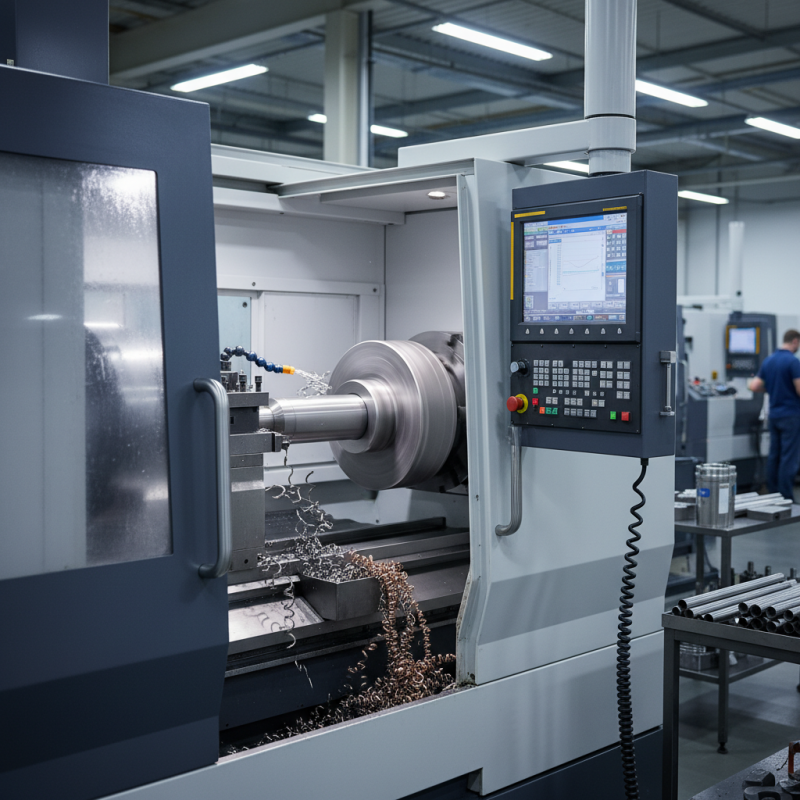
A CNC lathe machine is a vital tool in modern manufacturing. It helps create precise parts from various materials. CNC stands for Computer Numerical Control, which means the machine operates automatically through computer programming. This allows for high efficiency and repeatability in production.
One key aspect is its ability to shape materials like metal or plastic. The material is mounted on a spindle and rotated while the cutting tool shapes it. The precision of a CNC lathe increases production quality. It's fascinating to see how software and machinery work together. However, not all designs translate perfectly from screen to machine.
Tips: Always consider the material properties before starting a project. Different materials behave differently during the machining process. Plus, test runs can save time and resources. A simple prototype can reveal flaws earlier than expected. It's also crucial to double-check machine settings. Small errors in configuration can lead to major setbacks.
Learning to use a CNC lathe involves some trial and error. Beginners may struggle to set the right speeds or feeds. Don’t be discouraged; mistakes can lead to valuable insights. Improvement comes with practice and reflection on what went wrong. Each project is a stepping stone to mastery.
CNC Lathe Machine Production Capacity by Type
The following chart illustrates the production capacity of different types of CNC lathe machines based on industry usage.
Key Components of a CNC Lathe Machine
CNC lathe machines play a vital role in modern manufacturing. Their key components include the bed, spindle, and tool post. The bed is the machine's backbone. It supports all other parts and ensures stability. A sturdy bed helps maintain precision during operation.
The spindle, located at the front, holds the workpiece. It rotates at high speeds. This rotation allows various tools to cut shapes out of the material. The tool post secures the cutting tools. It allows for easy adjustments of tool positions. This flexibility is essential for creating different shapes.
Operators must understand these parts. Misalignments can lead to errors. An improperly set tool post may result in poor cuts. Regular maintenance is crucial. This ensures optimal functioning and extends the machine's life. Reflection on usage can reveal areas for improvement. Each component must work harmoniously for successful machining.
What is a Cnc Lathe Machine and How Does it Work? - Key Components of a CNC Lathe Machine
| Component | Description | Function |
| CNC Controller | The computer system that manages the operations of the lathe. | Interprets CAD files and sends commands to the machine. |
| Spindle | Holds and rotates the workpiece. | Provides the necessary speed for machining operations. |
| Tool Holder | Holds the cutting tool in place. | Allows for quick changes between different tools during the machining process. |
| Chuck | Device that grips the workpiece securely. | Ensures stability of the workpiece during machining. |
| Feed Mechanism | Controls the movement of the tool and workpiece. | Ensures precise cutting actions and dimensional accuracy. |
| Coolant System | Delivers coolant to the cutting area. | Reduces heat and friction, increasing tool life. |
| Bed | The main structure of the lathe. | Provides stability and support for all components. |
How CNC Lathe Machines Operate: A Step-by-Step Overview
CNC lathe machines are fascinating tools that shape materials like metal and plastic. They use computer numerical control to perform precise cuts. The operation begins with a computer program. This program dictates the lathe's movements. Operators choose the right settings, including speed and feed rate. This process increases efficiency and reduces waste.
During operation, the spindle rotates the workpiece while the cutting tool moves along its axis. The result is accurate cylindrical shapes. Data shows that CNC lathes can achieve tolerances within 0.001 inches, a crucial factor in manufacturing. However, not every operator achieves this precision. Errors can happen, often due to programming mistakes or tool wear.
Tips: Regular maintenance of tools ensures longer life spans. Always calibrate machines before use to avoid inaccuracies. Operators should continuously learn and adapt. Monitoring trends in CNC technology is vital. Staying updated reduces the risk of obsolescence, even if it requires effort. Reflection on past mistakes helps improve future processes and outcomes.
Applications of CNC Lathes in Various Industries
CNC lathes are versatile machines used in various industries. They create precise cylindrical parts through subtractive manufacturing. In the automotive sector, CNC lathes produce components like shafts and bushings. These parts require accuracy and can handle high production volumes. However, calibration issues may lead to errors, impacting overall quality.
In the aerospace industry, lightweight components are crucial. CNC lathes help manufacture turbine blades and housings. The precision offered by these machines ensures that parts meet strict safety standards. Still, the challenge lies in managing expensive materials and optimizing production time.
Additionally, medical device manufacturing benefits from CNC lathes. Custom components for surgical instruments need precision and reliability. While these machines allow for quick prototyping, overlooking maintenance can result in significant downtime. Overall, CNC lathes play a vital role in many fields, yet they require careful oversight to maintain efficiency and quality.
Advantages of Using CNC Lathe Machines in Manufacturing
CNC lathe machines are revolutionizing modern manufacturing. They offer precision and efficiency that traditional methods struggle to match. These machines automate the process of shaping materials like metal and wood. This automation reduces human error and increases output.
One significant advantage of CNC lathe machines is their ability to produce complex designs. Operators can input detailed specifications directly into the computer. The machine executes these commands with high accuracy. This results in parts that fit perfectly during assembly. However, achieving this level of precision requires skilled programming. Mistakes in the program can lead to waste and costly rework.
Another benefit is the speed of production. CNC lathes can operate continuously, reducing cycle times. This means more products are completed in less time. But it's not without challenges. Maintenance is crucial. A breakdown can halt production, leading to delays. Workers must also be trained properly to use these machines. Ignoring this can lead to safety issues. Balancing speed with safety remains an ongoing concern in the industry.

