How to Choose the Right Forklift Collision Detection System?
Choosing the right Forklift Collision Detection System is essential for workplace safety. With increasing warehouse automation, the risk of collisions rises. An effective collision detection system can help mitigate this risk. These systems monitor a forklift's environment and alert operators to potential hazards, preventing accidents before they happen.
When selecting a Forklift Collision Detection System, consider various factors. Think about the specific environment in which the forklift operates. Each warehouse is unique, with distinct layouts and challenges. Will the system integrate seamlessly with your existing technology? Compatibility can be a make-or-break factor in your decision.
One must also reflect on budget constraints. Sometimes, a lower-priced system may lack crucial features. Striking a balance between cost and functionality is vital. Remember, investing in the right system enhances safety and productivity. An appropriate Forklift Collision Detection System could ultimately save more than just money—it could save lives.
Understanding Forklift Collision Detection Systems
Understanding forklift collision detection systems is essential for enhancing safety in warehouse and industrial environments. These systems use various technologies to identify potential hazards and prevent accidents. Proximity sensors are common; they detect nearby objects and alert operators. Cameras also play a role, offering a visual reference to help prevent collisions.
However, not all systems are fail-proof. Sometimes, sensors may misinterpret their surroundings. This can lead to false alarms or missed detections. Training for operators is crucial. Even the best technology cannot replace human judgment. Ensuring that all team members understand how these systems work is vital.
Choosing a suitable system requires careful consideration of your specific operational needs. What works for one facility may not be effective for another. It's important to assess the layout, traffic patterns, and forklift types used in your environment. User feedback can highlight areas for improvement. Keeping an open mind about necessary revisions will lead to better safety outcomes.
Forklift Collision Detection Systems: Key Features Comparison
Key Features to Look for in Collision Detection Solutions
When selecting a forklift collision detection system, key features are critical. A robust system should provide real-time alerts. Systems with visual and audio signals can improve operator awareness. Look for features that offer customizable settings. This way, the system can adapt to your specific workplace needs.
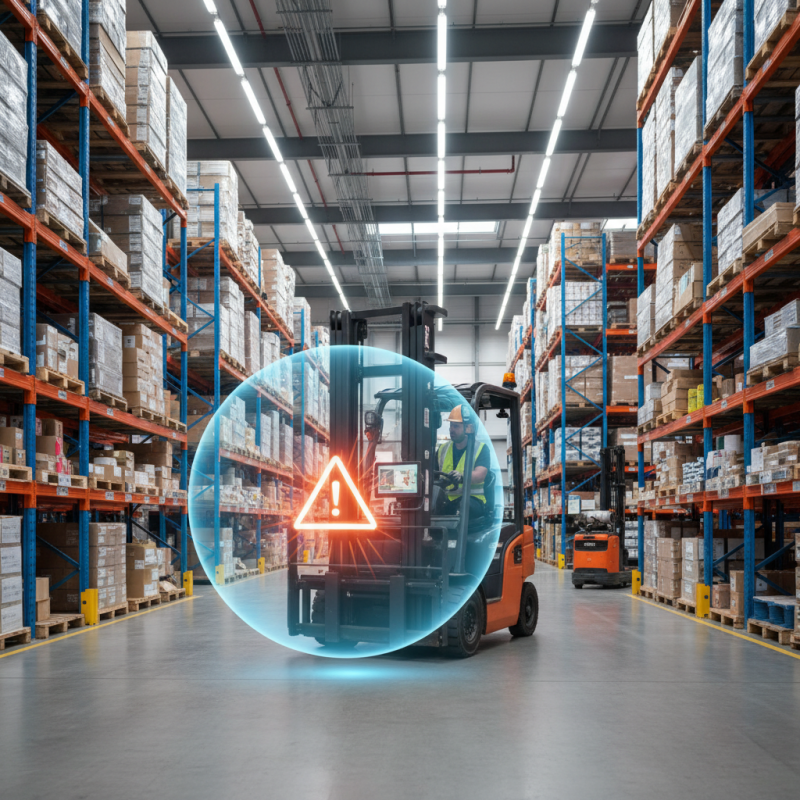
Data from industry reports show that approximately 25% of workplace accidents involve forklifts. This highlights the importance of having an effective collision detection solution. Systems that detect proximity to obstacles are essential. Some advanced systems use sensors to create a safety zone around the forklift. This additional layer of protection can significantly reduce accident rates.
Tips: Ensure the system offers easy integration with existing equipment. Training for operators is crucial to maximize system benefits. Regular audits can help in assessing system effectiveness. Always remember, technology is not foolproof. It must work in harmony with trained personnel to ensure safety.
Assessing the Environment for Optimal System Performance
When assessing the environment for a forklift collision detection system, many factors come into play. Start by examining the warehouse layout. Is it open or cramped? Narrow aisles can pose significant challenges. Look for potential blind spots that might hinder visibility. These could exist near shelves or corners.
Consider the types of equipment in use. Are there high-traffic areas? Constant movement can increase the risk of accidents. Think about the flooring material. A smooth surface is ideal for stability, while uneven surfaces can be problematic. Lighting also plays a key role; bright, well-lit areas improve visibility for operators.
Evaluate the human element too. Are workers trained to recognize dangers? An untrained employee may not react quickly enough in an emergency. Observe how fork operators interact with their surroundings. Their behavior can reveal areas that need improvement. Setup might need tweaks to enhance safety features. What works well in one environment may not fit another. Always aim for continuous improvement in safety measures.
Cost Considerations and Budgeting for Collision Detection Systems
Cost considerations are crucial when selecting a forklift collision detection system. It's essential to assess your budget early in the decision-making process. Systems can vary widely in price. Some may fit snugly within your budget, while others could strain your finances. Identify a range that makes sense for your operation. Allocating funds for maintenance is also advisable. Systems require regular updates and checks.
Consider the long-term savings that a collision detection system can provide. Fewer accidents lead to cost savings on repairs and insurance. However, don’t overlook hidden costs. Installation might require modifications to your existing infrastructure. Training staff to use the system also incurs expenses. Factoring in these elements can create a more accurate budget.
Moreover, be aware of the potential for unexpected costs. Some systems may require additional hardware. Others might need integration with existing equipment. Always allow for flexibility in your budget. Adjusting financial plans as needed can prevent overspending. A well-thought-out budget can make all the difference in selecting the right system.
How to Choose the Right Forklift Collision Detection System? - Cost Considerations and Budgeting for Collision Detection Systems
| Feature | Description | Estimated Cost |
| Sensor Type | Ultrasonic, Lidar, or Camera-based systems | $2,000 - $10,000 |
| Integration | Compatibility with existing warehouse management systems | $1,000 - $5,000 |
| Maintenance | Regular checks and updates for optimal performance | $500 - $2,000 annually |
| Training | Employee training on usage and troubleshooting | $500 - $3,000 |
| Warranty | Duration and coverage of warranty provided | Included or $300 - $1,000 |
| Installation | Setup and configuration of the system | $1,000 - $4,000 |
Installation and Maintenance Best Practices for Safety Systems
Choosing the right forklift collision detection system is crucial for workplace safety. Installation and maintenance best practices can enhance the effectiveness of these systems. Safety systems require careful planning to avoid installation errors. One poorly placed sensor can lead to false alarms or ineffective alerts. Make sure to review all installation instructions thoroughly.
Consider the environment where the system will operate. Is the area dusty or wet? Different conditions may affect sensor performance. Regular maintenance is essential. Schedule routine checks to ensure everything functions properly. Identify any wear and tear that could impair detection accuracy.
Tips: Always test the system after installation. Engage with users to gather feedback. A user-friendly system encourages proper utilization. Document any issues that arise. This record can help in troubleshooting during maintenance. Remember, safety systems are only as good as their upkeep.

