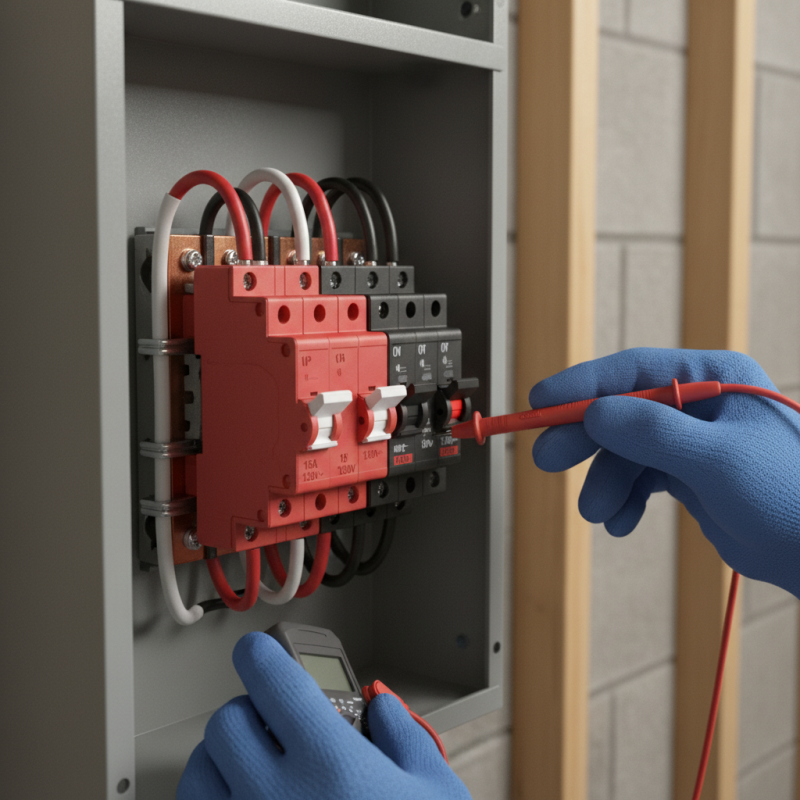
How to Choose the Right 1 Pole Circuit Breaker for Your Home?
Choosing the right 1 Pole Circuit Breaker for your home can be challenging. According to electrical expert John Smith, “Selecting the right breaker is crucial for safety and functionality.” This emphasizes the need for careful consideration when making your choice.
A 1 Pole Circuit Breaker plays a vital role in protecting your electrical circuits. It prevents overloads and short circuits, ensuring your home stays safe. Understanding the specifications, such as amperage and voltage rating, is essential. Many homeowners overlook these details, which can lead to hazards.
In the complex realm of home electrical systems, not all 1 Pole Circuit Breakers are created equal. Misunderstanding requirements can result in poor choices. Always consult with a reliable electrician for guidance. The goal is to enhance safety while meeting your power needs.
Understanding the Basics of 1 Pole Circuit Breakers
When selecting a one-pole circuit breaker, it's crucial to understand its basic function. A one-pole circuit breaker protects a single circuit in your home. It switches off the electricity when there's an overload or short circuit. This feature prevents electrical fires and damage to appliances.
One-pole breakers are commonly used in residential settings. They are perfect for lights, outlets, and standard devices. They usually handle 15 or 20 amps. Knowing the correct amperage for your circuit is key. Overloading a circuit can lead to frequent trips. It’s vital to evaluate your home’s energy needs carefully.
Choosing the right size isn’t always straightforward. Many homeowners underestimate their power needs. They think a lower amperage breaker is sufficient but find themselves replacing fuses often. This ultimately causes frustration and extra costs. Take the time to assess your power requirements and choose wisely.
Identifying Your Home's Electrical Needs
When considering the right 1 pole circuit breaker, understanding your home’s electrical needs is crucial. Start by evaluating your appliances. Large devices like refrigerators or air conditioners need more energy. Each of these items has its own current requirement. If you don't identify these needs, you might overload a circuit.
Next, think about your home layout. Older homes may lack sufficient circuits. This can lead to frequent tripping, which is frustrating. Count the circuits currently in use and see if they match your family’s lifestyle. Too many devices on one circuit is risky. You could end up needing more breakers than expected.
Consider potential future needs. Are you planning to add more devices? A home office? Maybe a new entertainment system? These upgrades require attention. Reflect on whether your current setup can handle the extra load. Don’t ignore signs of electrical strain in your home. Listening to those signals will help you make a better choice.
Evaluating Circuit Breaker Specifications and Types
When evaluating circuit breaker specifications and types, understanding your needs is crucial. One-pole circuit breakers are essential for single 120-volt circuits. They are designed to protect your home’s electrical systems from overloads and short circuits. Selecting the right amperage rating is essential to prevent frequent trips. Consider your household appliances and their power requirements.
Tips: Identify the most power-hungry appliances. Check their wattage ratings. This helps in choosing the appropriate amperage for your breaker.
Different types exist, like standard breakers and those with more advanced features. Specialty breakers offer extra protection for sensitive electronics. Weigh your options if you have specific needs. Look for additional features, like surge protection, especially if you live in storm-prone areas.
Tips: Always read the specifications carefully. Mistakes can lead to inadequate protection or frequent trips. Don’t rush—understanding the nuances of each type is vital for your safety.
Considering Safety Standards and Manufacturer Reputation
When choosing a 1 pole circuit breaker, safety standards play a crucial role. The right breaker protects your home from overloads and short circuits. It should meet all local electrical codes. Check the manufacturing standards to ensure compliance with regulations.
Manufacturer reputation is equally important. A trusted manufacturer is more likely to produce reliable products. Look for user reviews online. They often reveal performance issues or defects that may not be apparent at first. It is essential to investigate the company's history. Some brands might cut corners to reduce costs, which can lead to safety hazards.
Sometimes, it may take longer to find the best option. Don't rush this decision. Understand that not all products are created equal. Ask for electrician recommendations if needed. Your home's electrical safety is paramount. Investing time into research can lead to better choices and peace of mind.
Installation and Maintenance Tips for 1 Pole Circuit Breakers
When installing a 1 pole circuit breaker, safety should be your top priority. Ensure the power supply is completely off before handling any wiring. Using insulated tools helps, but double-check your connections. A well-connected breaker will prevent unnecessary trips and potential hazards. Short wires or loose connections can lead to malfunctions. Take your time to secure each terminal properly.
After installation, regular maintenance is essential for optimal performance. Periodically check for any signs of wear or damage. Look for discoloration or unusual sounds. A simple visual inspection can reveal issues early. It’s wise to test the breaker monthly. Flip it on and off to ensure it functions correctly. If you notice frequent trips, reflect on your electrical load. This could indicate an overload or a fault elsewhere in the system.
Be cautious about the environments where these breakers operate. High dust levels or moisture can affect their lifespan. Regular cleaning is beneficial, yet some might overlook this step. A clean and dry area can significantly extend the life of your circuit breaker. Even minor negligence can result in major safety concerns. Aim for a proactive approach to your circuit breaker maintenance.
Household Electrical Usage by Circuit Type