

Top 10 Advantages of Bent-axis Motors for Your Projects?
In engineering, selecting the right components is vital. Bent-axis Motors offer unique benefits for various projects. These motors excel in efficiency and reliability. They are compact and adapt well to different applications.
The Bent-axis motor stands out due to its design. This design leads to reduced friction. With fewer moving parts, maintenance is simpler. It also allows for higher torque at lower speeds. These factors can significantly enhance your project’s performance.
However, not every application suits Bent-axis motors. Their performance may vary under different load conditions. Engineers must consider these aspects carefully. Choosing the right motor type is a balance between performance and requirements. Overall, Bent-axis motors present many advantages worth exploring.
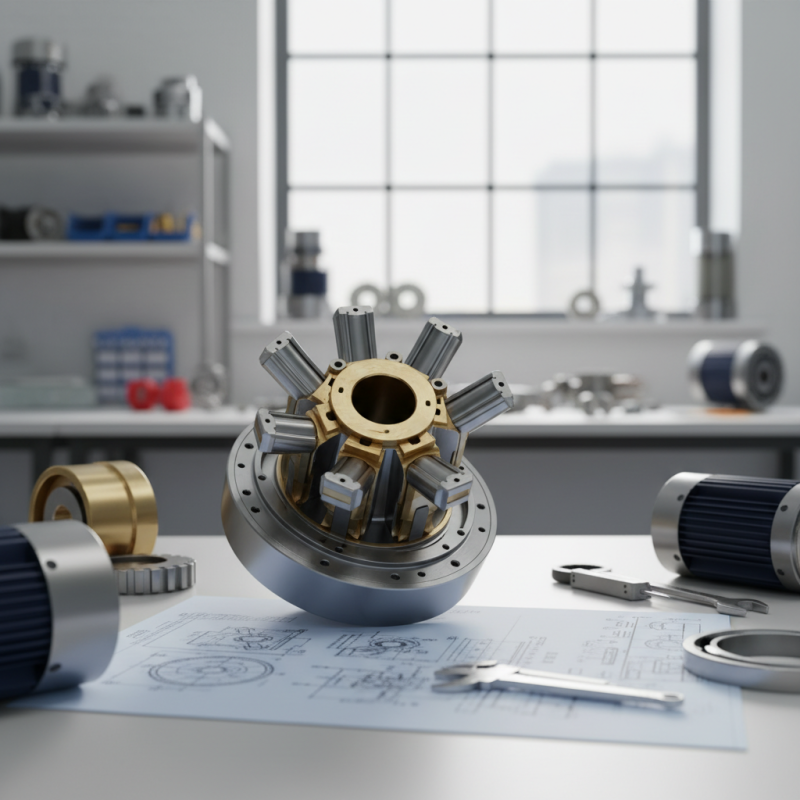
Advantages of Bent-axis Motors: A Comprehensive Overview
Bent-axis motors offer notable advantages for various projects. Their compact design makes them ideal for tight spaces. These motors can deliver high torque at relatively low speeds, which is beneficial in applications requiring strength and stability. Additionally, they feature a simple construction, reducing maintenance needs and enhancing reliability.
Another appealing aspect is their efficiency. Bent-axis motors convert energy more effectively, minimizing losses during operation. They can operate in various environments, including extreme temperatures. However, selecting the right motor for your specific application can be challenging. Improper specifications may lead to performance issues or inefficiencies.
In practical scenarios, the noise level can be a concern. While bent-axis motors tend to run quieter than other types, certain applications may still produce unwanted sounds. Balancing efficiency and quiet operation is crucial. Ultimately, understanding the unique requirements of your project will guide the effective use of bent-axis motors.
Top 10 Advantages of Bent-axis Motors for Your Projects
| Advantage | Description | Application Areas | Efficiency |
|---|---|---|---|
| High Efficiency | Bent-axis motors possess a simple design that reduces friction and enhances energy conversion efficiency. | Industrial Automation, Agricultural Equipment | Up to 90% |
| Compact Size | These motors are typically smaller than traditional designs, saving space in applications. | Robotics, Material Handling | N/A |
| Robust Design | Designed to withstand heavy loads and harsh environments, increasing longevity. | Construction Equipment, Mining | N/A |
| Smooth Performance | Deliver consistent torque and speed without vibration issues. | Precision Engineering, CNC Machines | N/A |
| Cost-Effective | Lower manufacturing costs and reduced energy consumption lead to lower overall operational costs. | Manufacturing, Packaging | N/A |
| Versatile Applications | Suitable for a wide range of applications across different industries. | Automotive, Aerospace | N/A |
| Easy Maintenance | Designed for minimal wear and easy access for servicing, reducing downtime. | Transportation, Warehouse Operations | N/A |
| High Power Density | Provides more power output relative to size, ideal for compact designs. | Aerospace, High-Performance Vehicles | N/A |
| Minimal Backlash | Offers improved positioning accuracy due to reduced backlash in operations. | Machine Tools, Robotics | N/A |
| Environmentally Friendly | Lower energy consumption contributes to a reduced carbon footprint. | Renewable Energy Systems, Electric Vehicles | N/A |
Conclusion
Bent-axis motors offer a range of advantages that make them an ideal choice for various projects across different industries. Their high efficiency and power density ensure optimal performance, even in applications with variable load conditions. This type of motor is designed to withstand harsh environments, providing enhanced durability and reliability, which is crucial for long-term operations.
Moreover, bent-axis motors feature a compact design and lightweight construction, making them highly beneficial for space-limited applications. Their cost-effectiveness allows for versatile industrial solutions without sacrificing performance. Overall, the unique characteristics of bent-axis motors contribute significantly to innovative project implementations, making them a preferred option for engineers and designers.